Incredible experiences that scale
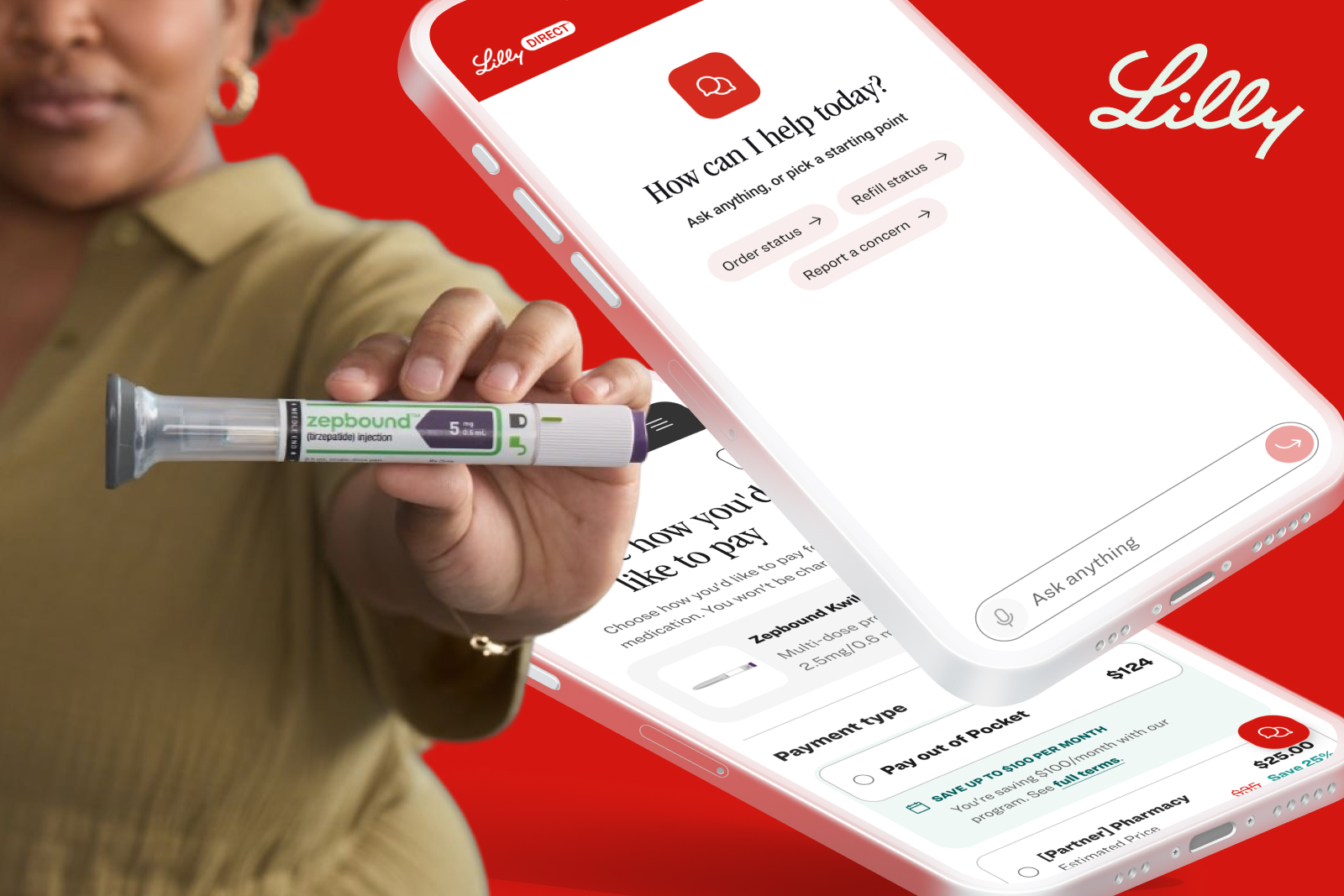
We design apps, platforms and design systems, and test each one before it ships.
Interesting stats
We laid our design engagements side by side and counted.
Design systems
11 of 27
We started a component library or grew the client's own in each of these.
Each dot is one design engagement. Filled dots mark a system we started or grew.
Chatbots and AI layers
6 of 27
We designed how people use AI in each, for jobs like meal planning and mortgage origination.
Design engagements whose services include chatbots or AI layers.
Shipped work
14 of 27
These moved past concept into the client's hands.
Stage of each design engagement.
Web and mobile
17 and 15
In nearly a third of these engagements, we designed for the browser and the phone together.
Design engagements by platform, of 27.
Deliverables
Websites
Apps
Portals
Chatbots
AI Layers
Design systems
Squads on one system
3
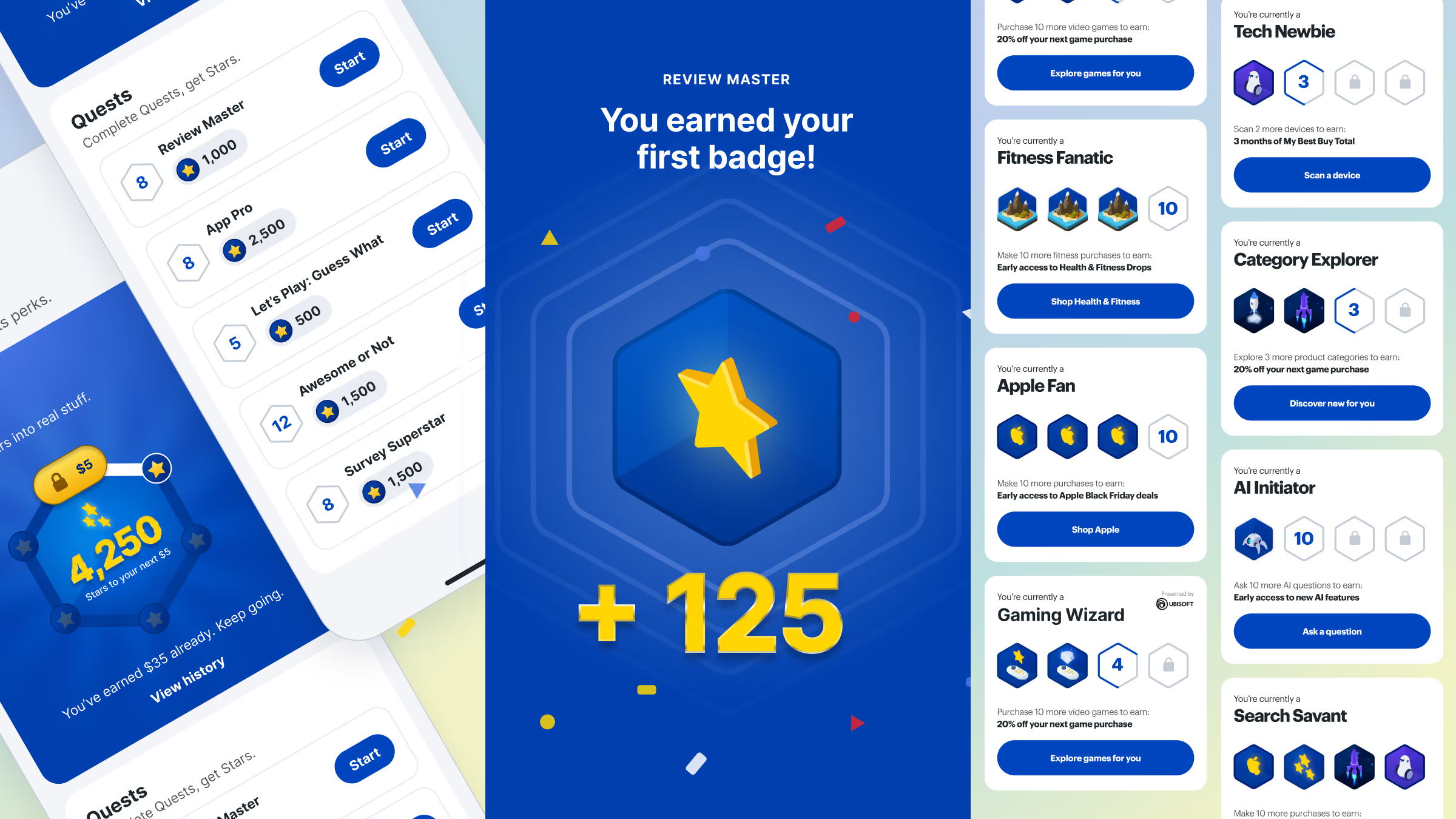
Bridgestone's marketplace teams worked from the same library.
Errors that reveal an account
0
A failed sign-in at Ascension keeps a patient's account status private.
WCAG 2.1 AA.
Months on Tempo
14
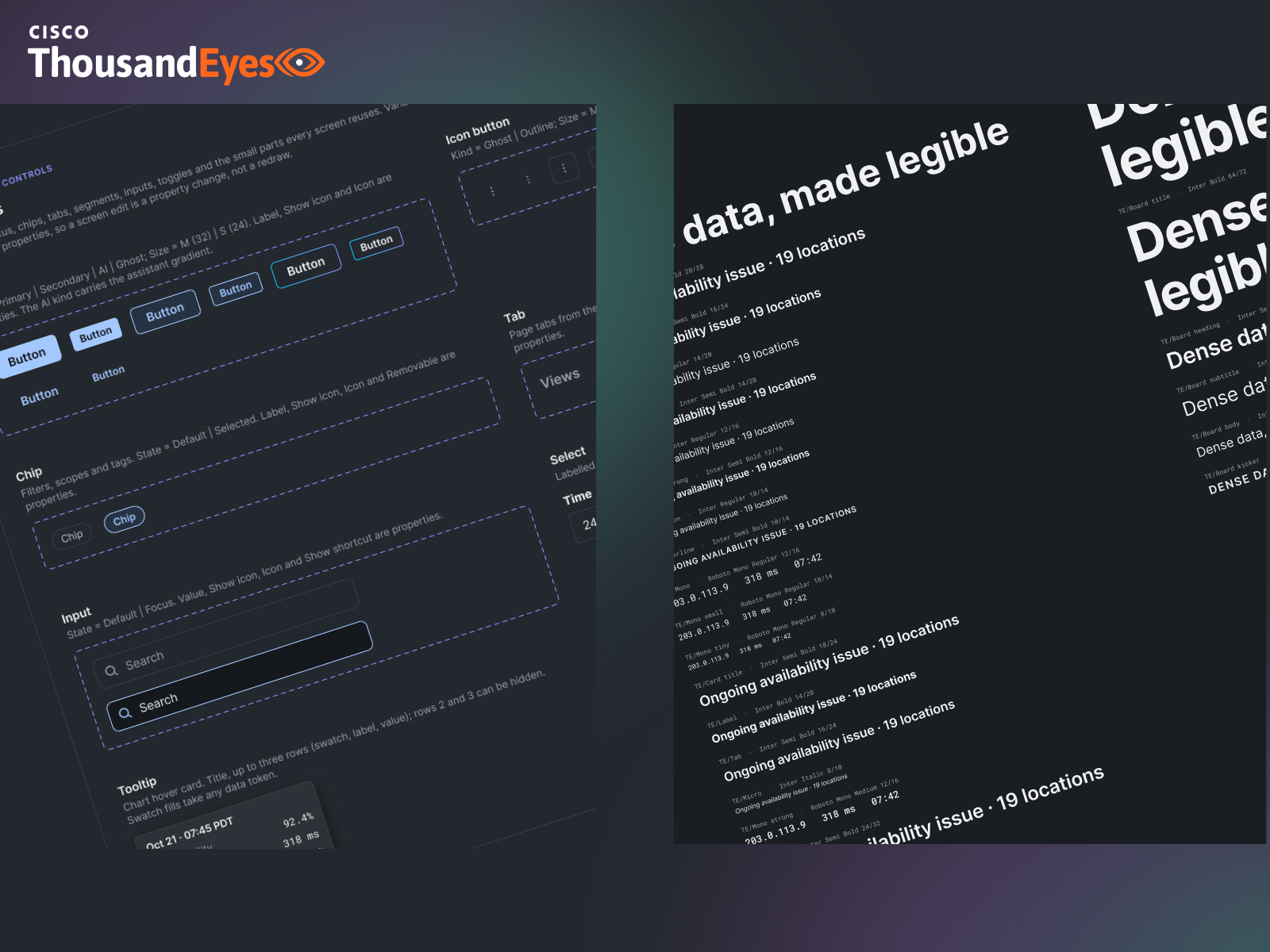
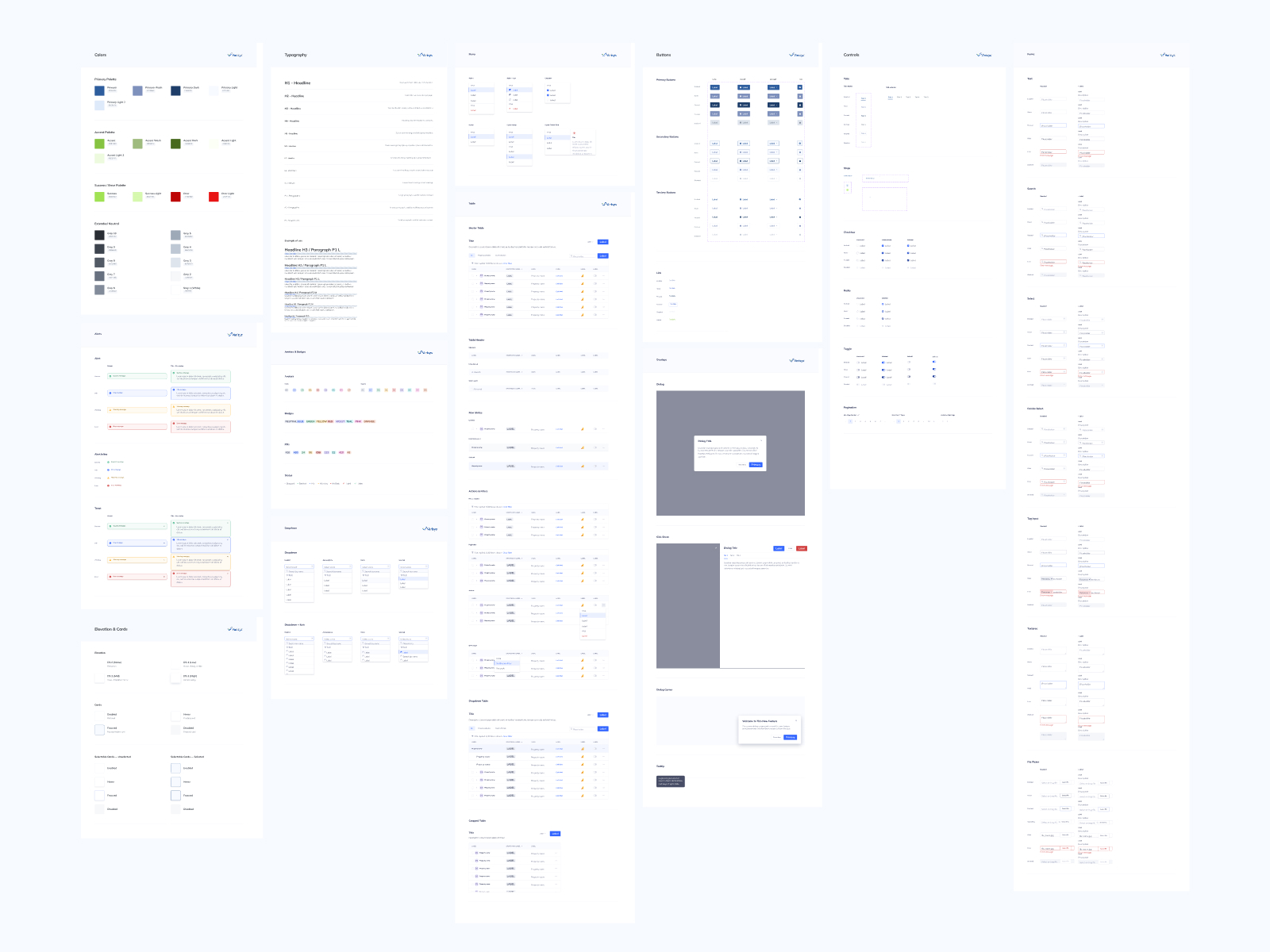
We tied UnitedHealthcare's Figma library to Storybook, then designed the member dashboard from its components.
Chat components
30
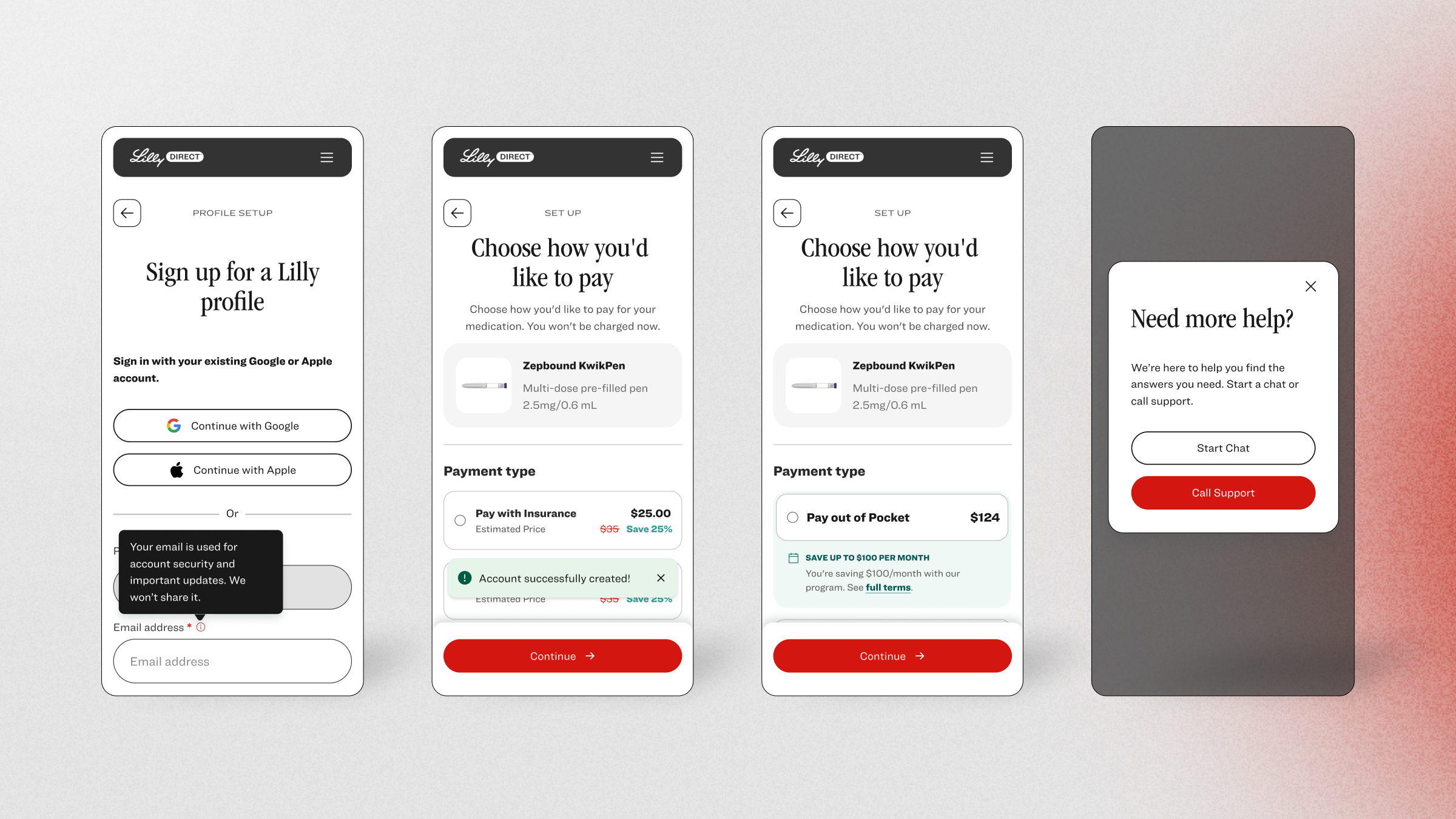
LillyDirect's chat draws on this set, from the composer to the action card.
17 pattern groups in three zones.
Figures shown are publicly shareable; some work remains under NDA.
Design-driven products & features
Discover
We look at what you have in place now for features, flows and content.
Design
We think about content, design systems, architecture, flow and brand to bring features and products to life.
Test
We’ll provide our POV on our favorite, but let’s take your consumers’ feedback as the final say.
Deliver
You get a new set of output, pivoting from the insights learned in testing. Go to market with confidence, knowing the choices made here were based on data.
We submit a proposal within 1–2 days
Review and determine how you want to proceed.
Alignment & sign-offs
Let’s discuss any concerns and get this ball rolling.
First sprint
Sprint cycles are typically measured in 4-week intervals.